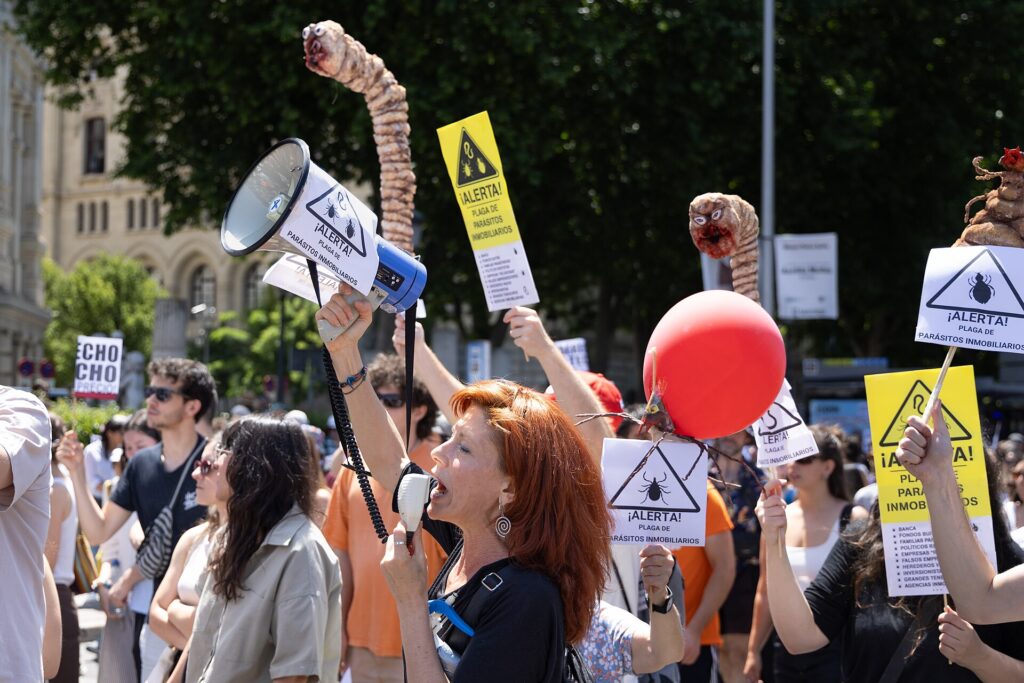
Being an activist can mean many different things.
It can mean standing in a street with a sign.
It can mean volunteering in a community.
It can mean speaking publicly about injustice.
It can mean defending human rights, protecting the environment, helping vulnerable people, documenting abuses, making art, writing, organizing, educating others, or simply refusing to remain silent when something feels wrong.
Activism does not always look dramatic.
Often, it is simply one person deciding that something matters enough to speak about it.
But in today’s world, activism can carry real risks.
Around the world, people who peacefully defend human rights continue to face intimidation, harassment, surveillance, arrest, legal action, and violence.
Front Line Defenders documented at least 358 human-rights defenders killed for their peaceful work in 28 countries during 2025.
Its latest analysis also identifies arbitrary detention, threats and other harassment, surveillance, legal action and death threats among the most common violations reported against defenders.
Activism Can Mean Standing Alone
One of the difficult realities of activism is that an individual can sometimes find themselves challenging much larger interests.
A person may be questioning a powerful institution.
They may be exposing corruption.
They may be defending a minority group.
They may be demanding accountability.
They may be speaking about environmental damage.
Or they may simply be criticizing something they believe is wrong.
That can create conflicts.
Not every conflict becomes dangerous.
But history and contemporary human-rights reporting demonstrate that some activists do face serious consequences for peaceful work.
The Modern Activist Lives Online Too
Activism has changed enormously because of technology.
A person no longer needs access to a newspaper, television station or major organization to reach an audience.
A smartphone can become a camera, publishing platform, communication network and broadcasting tool.
That creates extraordinary opportunities.
It also creates new vulnerabilities.
Front Line Defenders’ 2025/26 analysis documents digital threats against human-rights defenders including online surveillance or censorship, social-media threats of violence or harassment, phone surveillance, malware attacks, and confiscation or destruction of devices.
An activist can therefore be pressured without anyone physically appearing at their door.
Their digital identity can itself become a target.
Harassment Can Be Constant
Harassment does not necessarily consist of one dramatic event.
It can involve a long series of smaller incidents.
Unwanted messages.
Threats.
Defamatory statements.
Online abuse.
Persistent contact.
Pressure through social networks.
Professional interference.
Legal intimidation.
The accumulation can become exhausting.
Front Line Defenders’ current reporting includes numerous cases involving threats, intimidation, smear campaigns, cyber-attacks and judicial harassment against defenders.
For somebody whose activism is voluntary and unpaid, persistent harassment can make continuing the work extremely difficult.
Some Activists Fear for Their Lives
This is not an exaggeration.
Some activists genuinely face lethal risks.
The 2025 figures documented by Front Line Defenders are a stark reminder of that reality: at least 358 defenders were killed in 28 countries for their peaceful work.
The highest numbers were documented in countries including Colombia, Mexico, Palestine, Brazil and Honduras, while land, environmental and Indigenous rights defenders were among the groups most frequently targeted.
These people were not necessarily soldiers.
Many were ordinary citizens who chose to defend a cause.
That makes their stories especially important.
Being Silenced Does Not Always Mean Being Arrested
There is a tendency to think that silencing someone means putting them in prison.
Sometimes it does.
But there are many other ways to discourage somebody from speaking.
A person may be intimidated.
Their reputation may be attacked.
They may face legal action.
They may be harassed online.
They may be threatened.
Their family may come under pressure.
They may lose employment or professional opportunities.
They may simply become afraid of what happens if they continue.
The result can be the same: silence.
Front Line Defenders’ research documents criminalization, judicial harassment, defamation, surveillance and other pressures that can make continued activism difficult.
The Problem of Criminalization
One particularly powerful form of pressure is turning activism itself into a legal problem.
Front Line Defenders reported that criminalization of human-rights defenders remained widespread in its 2024/25 analysis, including cases involving allegations such as defamation, national security offences, public-order offences and terrorism-related charges.
Laws are necessary in a functioning society.
But when legitimate peaceful activity is treated as criminal conduct simply because it is politically inconvenient, the boundary between lawful enforcement and repression becomes extremely important.
That is why due process and independent courts matter.
The Fear of Being Misunderstood
Activists can also face another problem that is less visible: being misunderstood.
A person may report something they genuinely believe is wrong.
Others may disagree.
That disagreement can quickly become personal.
An activist can be labelled: difficult; extreme; dangerous; unstable; or troublesome.
Sometimes criticism is justified.
Activists are human beings and can make mistakes.
But disagreement should not automatically become discrediting.
A society that values free expression has to leave room for people to be wrong without automatically treating them as threats.
Mental Health and Activism
Activism can also take an emotional toll.
Constant exposure to conflict, injustice, threats or suffering can produce exhaustion.
Some activists experience burnout.
Others struggle with anxiety, depression, trauma or isolation.
There is also a delicate issue surrounding mental-health diagnoses.
A person who is under severe stress can genuinely experience psychological symptoms.
At the same time, psychological labels should never be used as a substitute for investigating the factual circumstances surrounding someone’s complaints.
An activist saying, “Something happened to me,” deserves to be listened to seriously.
The right response is neither automatic belief nor automatic dismissal.
It is careful investigation.
Why Documentation Matters
One of the most important tools available to activists is simple: keep records.
Dates.
Messages.
Photographs.
Documents.
Emails.
Official correspondence.
Published material.
Witness accounts.
Technical records.
A factual record can help distinguish what actually happened from what somebody later claims happened.
It can also protect activists themselves.
If a dispute arises, a contemporaneous record is generally more useful than relying entirely on memory months later.
Activists Need Support Networks
No one should be expected to carry everything alone.
Trusted colleagues, lawyers, journalists, organizations, family members and other allies can provide practical and emotional support.
Support networks can also provide something extremely important: independent witnesses.
When serious problems arise, having someone else who can confirm what happened can be invaluable.
Activism Does Not Have to Mean Confrontation
There is a common misconception that activism requires constant confrontation.
It doesn’t.
Activism can be peaceful and constructive.
It can involve: writing; education; volunteering; community work; music; art; research; journalism; petitioning; environmental work; helping vulnerable people; or simply bringing attention to an issue.
Not every activist is a protester.
Not every protester is confrontational.
And not every disagreement needs to become a conflict.
One Person Can Still Make a Difference
The scale of a person’s activism does not determine its value.
A single person can document something important.
A volunteer can help one individual.
A writer can reach one reader.
A musician can communicate an idea through a song.
A photographer can preserve evidence of something that might otherwise disappear.
A citizen can ask a question that nobody else was willing to ask.
Change doesn’t always begin with a large organization.
Sometimes it begins with one person deciding to care.
Activism Requires Responsibility Too
Being an activist does not mean being above criticism.
A responsible activist should be willing to: check facts; correct mistakes; protect other people’s privacy; avoid deliberately spreading false information; respect peaceful disagreement; and remain within the law.
Credibility matters.
An activist who exaggerates every claim can eventually undermine their own message.
Evidence is therefore one of the strongest forms of protection an activist can have.
Modern Activists Need Digital Security
Because activism increasingly takes place online, basic digital security has become part of responsible activism.
Strong account security.
Multi-factor authentication.
Software updates.
Secure backups.
Careful handling of sensitive documents.
Awareness of phishing and malicious links.
Preserving original evidence.
These are ordinary precautions, but they matter.
Front Line Defenders’ digital-protection work shows why: its 2025 figures recorded online surveillance/censorship, social-media threats or harassment, phone surveillance, office or home raids, and confiscated or destroyed devices among violations affecting defenders receiving digital-protection support.
Activists Need the Right to Be Heard
A healthy democracy needs people who are willing to ask uncomfortable questions.
It needs journalists who investigate.
It needs citizens who criticize.
It needs organizations that defend rights.
It needs people who are willing to say:
“This is not right.”
That doesn’t mean every activist is correct.
It means they should have the opportunity to make their case.
Arguments can be challenged.
Claims can be fact-checked.
Evidence can be examined.
Mistakes can be corrected.
But the answer to peaceful activism should not be intimidation.
A Modern Activist’s Dilemma
Perhaps the hardest question is this:
How do you continue doing something you believe is right when you know that there may be consequences?
There is no universal answer.
Every person has to assess their own circumstances.
Some will continue publicly.
Some will work quietly.
Some will join organizations.
Some will write.
Some will volunteer.
Some will document.
Some will support others behind the scenes.
All of those can matter.
Why Activism Still Matters
Despite the risks, people continue to defend human rights.
They continue to document abuses.
They continue to organize.
They continue to speak.
That persistence matters.
Front Line Defenders’ 2025/26 report describes defenders around the world as demonstrating remarkable resilience despite an increasingly hostile environment.
Their work reminds us that progress rarely happens automatically.
Someone has to care enough to push for it.
Conclusion
Being an activist in the modern era can mean facing challenges that previous generations could hardly have imagined.
The risks can be physical.
They can be legal.
They can be financial.
They can be psychological.
They can be digital.
And sometimes, tragically, they can be fatal.
But activism is not inherently about confrontation.
At its best, it is about participation.
It is about refusing to remain indifferent.
It is about using whatever peaceful means are available to make society better.
The people who choose this path deserve something very basic: the right to do their work without intimidation, unlawful retaliation or violence.
They also deserve criticism when they are wrong, accountability when they make mistakes, and evidence-based evaluation of their claims.
Those principles can coexist.
In fact, they have to.
Because a society that protects activists does not have to agree with them.
It simply has to recognize that peaceful civic participation is part of a free society.
And when somebody risks their safety to defend the rights of others, the least we can do is listen.
With love,
Dino